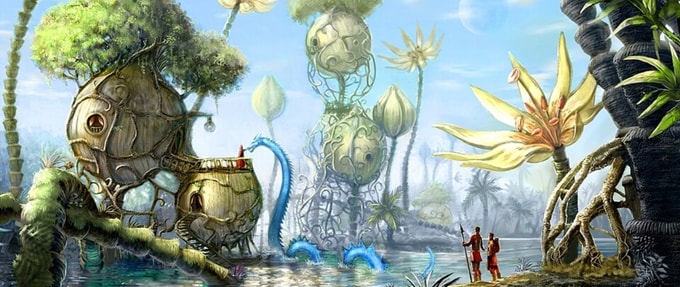

“Fantasy is escapist, and that is its glory,” as the Ursula K. Le Guin quote—often misattributed to J. R. R. Tolkien—goes. Excepting nonfiction about the distant reaches of space, there’s no other books that can take us so far from our own place in the world, or take us out of this world entirely. Whether it’s magical utopias or grimdark corners of the galaxy, fantasy and science fiction are home to our most exciting, interesting, and just plain cool escapes from reality. But make no mistake: most of the following sci-fi and fantasy settings, which feature spirits, castles, floating islands, and sentient plants, might be more fun to read about than live in—especially once the plot kicks off!
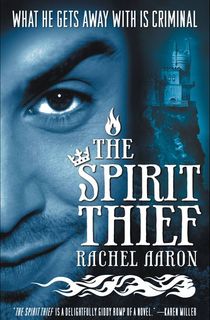
The Spirit Thief
The roguish wizard Eli Monpress, with the help of the world’s best swordsman and an unwilling demon’s host, attempts to prove himself as the greatest thief of his age. How? By stealing a king, of course! This is only the start of an adventure that has kingdom-saving, or ending, consequences.
In this fun fantasy romp, everything in the world, from rocks to lava to doors, has a spirit, and while some characters force spirits to do their biddings, Eli can befriend and talk spirits into helping him as he goes along his quest. The setting is quite literally alive with the spirits inhabiting it, not to mention the humans, ghosthounds, and demonseeds that populate the story.
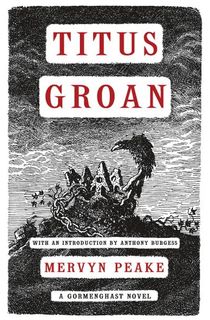
Titus Groan
A Gothic classic, this Shakespearean fantasy of manners charts the rise of an ambitious kitchen boy in the ancient castle Gormenghast during the first two years of the titular Titus Groan’s life. Titus Groan, the seventy-seventh earl of Groan, is born into a family of both rigid, ancient traditions and rituals, as well as extreme dysfunction and grotesquery. The castle inhabitants, from the countess with a legion of birds and white cats to the sadistic, murderous chef, serve as expressions of Gormenghast’s own macabre character.
Titus Groan and The Lord of the Rings are often said to be representative of the two diverging paths of fantasy; though lacking any wizards or elves, the lyrical and imagery-laden Titus Groan is certainly fantastic in its scope and atmosphere.
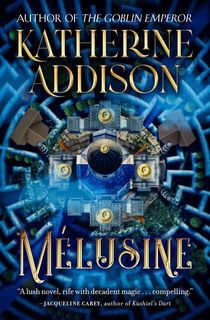
Mélusine

The winding, labyrinthine city of Mélusine is divided into the Mirador, where aristocrats live and wizards tend to the protective energy of the Virtu that keeps the Mirador safe, and the Lower City, full of necromancers, ghouls, and renegade wizards. High-ranking wizard Felix Harrowgate is manipulated by his abuser into destroying the Virtu, removing Mirador’s protections, and subsequently goes mad.
His only chance for healing rests on the shoulders of former assassin Mildmay, who lives in the Lower City and has enemies of his own. The two must travel across the world of Meduse to find the gardens that could heal Felix… if they even exist.
Kingdoms of Light
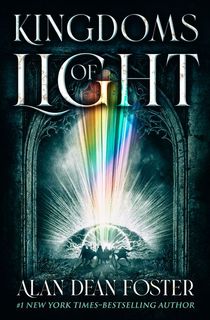
After a clan of goblin-warlocks kill the most powerful wizard of the Gowdlands and curse the kingdom to lose its color, there seems to be no hope left for the once-peaceful kingdom… save for the wizard’s six pets, who are given human form and tasked with passing through the various kingdoms of color to recover the only thing capable of breaking the Gowdlands’s curse.
Each kingdom of color has its own customs, culture, and even threats for the six heroes to contend with as they quest for the powerful White Light.
A Winter's Promise
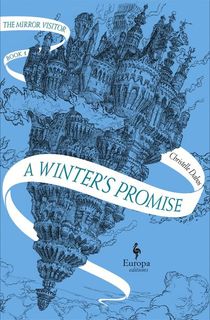
In this first epic novel of the Mirror Visitor Quartet, Ophelia is happy enough to live on the small floating island of Anima; she may be clumsy, ever since she travelled through a mirror, but she’s the best at reading the pasts of objects and enjoys her work at the archive. However, when she’s promised in marriage to Thorn, an enigmatic member of a clan with psychic pain inducement, she’s forced to leave her home and enter the perilous political battleground of Citaceleste. Citaceleste, the capital of the floating island known as the Pole, is ruled by an omnipotent, immortal spirit who is as capricious as he is forgetful; and as Ophelia will learn, even he may be under someone else’s sway.
Combining steampunk aesthetics with Austenian romance and fantastical political intrigue, the patchwork world of A Winter’s Promise is like no other.

The City & The City
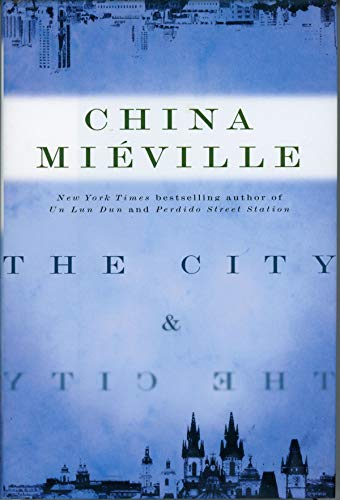
This multi-award winning novel combines the police procedural with speculative fiction, centering around a murder investigation in two cities that exist in tandem with, but without acknowledging the existence of, each other. The twin cities of Besźel and Ul Qoma differ in their architecture, language, fashion, religion, and even how residents carry themselves.
What they do not differ in is their location; two members of the two cities can walk down the same street, yet not see each other—those who breach the separation between cities are usually made to disappear. When a Besźel cop teams up with the Ul Quoman police to solve a murder, he must begin to investigate the possibility of a third city existing as well.
Semiosis
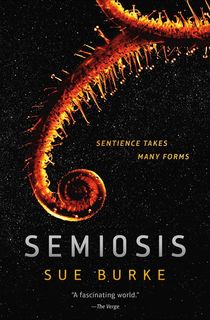
In the near future, Earth colonists fleeing war and disaster settle on what initially appears to be a lush, peaceful planet that they appropriately name “Pax.” But they aren’t alone on Pax; the plants are sentient, and have their own goals, which they’re willing to manipulate the humans to achieve. When the humans relocate to an abandoned alien city controlled by a plant they call “Stevland,” they must communicate with Stevland and work out some form of cooperation. But with Stevland trying to domesticate them and other alien colonists roaming the planet, can the humans find peace after all?
Tracking several generations of human settlers on Pax, Semiosis is a thoughtful meditation on power, kindness, and the difference between sentience and humanity.
Featured Illustration: David Revoy / Wikimedia Commons


