If you’re a well-versed reader of modern science fiction and fantasy, you probably recognize the name Amal El-Mohtar. Perhaps it’s through her oft-mentioned co-written work, This Is How You Lose the Time War. Or perhaps you also read the diverse realm of SFF short fiction and poetry where many novelists get their start. El-Mohtar is an accomplished writer of these formats. Her shorter works have appeared in well-known SFF venues like Reactor (formerly known as Tor.com), Strange Horizons, Lightspeed, and Uncanny Magazine. Or perhaps you’re one of those readers who make sure to pick up works shortlisted on ballots for the biggest SFF awards. She’s won several of those as well, and across different categories too.
Needless to say, Amal El-Mohtar is a skilled writer, and not just because of her numerous award wins and nominations. Known for her lyrical prose, she has explored many topics and themes across her body of work. Sometimes, they involve fairy tales and folklore. Other times, they revolve around the twin pillars of the human condition: love and loss. Many times, they tell the stories of women: their loves, their friendships, and their relationships. You can even choose different story lengths to enjoy these concepts, depending on whether you’re in the mood for short fiction or something longer like a novella.
Beyond her fiction, El-Mohtar is an established columnist and critic as well. She’s written for many venues but most notably, NPR and The New York Times. In fact, El-Mohtar is the science fiction and fantasy columnist for the NYT Book Review. Her column offers up reviews—both longform and capsule—of newly released novels in the speculative fiction genres, highlighting titles that might otherwise fly under the radar.
If you don’t enjoy book reviews written by published authors, a deep dive into her bibliography reveals other nonfiction essays that go back over a decade. Reading them is like looking at a snapshot of previous times. There’s one that details a collaboration between her, Ellen Kushner, and Catherynne Valente. In some ways, it resonates into the present time, after another collaboration had catapulted her into SFF fame. There’s another that speaks on the then-glutted steampunk subgenre of the late aughts and early 2010s. Longtime readers of science fiction and fantasy surely remember the era when steampunk was all the rage.
Still, while El-Mohtar’s criticism and essays are well worth reading, it’s her fiction that takes center stage here. Whether you enjoy novellas, short stories, or poems, put these works on your TBR list.
This Is How You Lose the Time War
We can’t talk about Amal El-Mohtar’s works without mentioning her collaboration with Max Gladstone. This novella won many awards—including the Hugo—when it was first published in 2019, but it probably landed on many readers’ radars thanks to a series of viral tweets in 2023 that sent it rocketing up Amazon’s bestseller lists.
As for the novella’s premise, it follows two time-traveling enemy agents. The agents are tasked by their respective empires to alter the histories of different universes. They begin leaving each other secret messages that begin antagonistic but eventually change to love. A true enemies-to-lovers arc, if you will. Unfortunately, their respective empires are at war and the last thing they want is for their agents to development any sort of relationship with each other, however unconventional it may be.
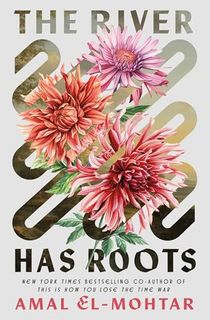
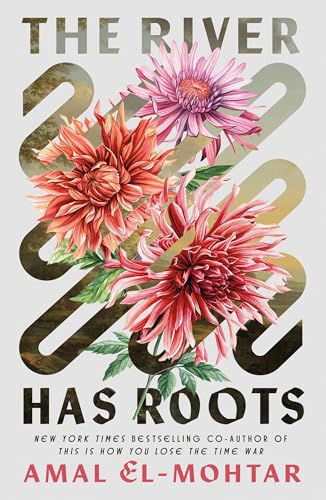
The River Has Roots
Another novella, The River Has Roots is Amal El-Mohtar’s solo debut. A retelling of the murder ballad, “The Two Sisters,” it tells the story of Esther and Ysabel, two sisters whose family has traditionally taken care of the willow trees growing on the banks of the river flowing through their town.
But the river isn’t just any river; it flows out of Faerie, and occasionally, the boundaries between the human realm and the Fae realm blur. Because of this, Esther crosses paths, and falls in love, with a Fae. You might think you know where this story is going, but things take a turn when a human man makes his intentions towards Esther known and refuses to take no for an answer.
Seasons of Glass and Iron: Stories
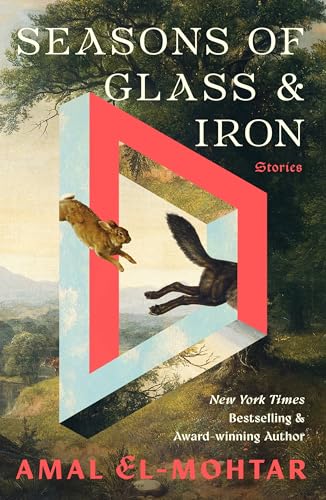
Prior to her novellas, Amal El-Mohtar made her SFF reputation with short stories and poetry—many of which have been nominated for, and won, awards. Seasons of Glass and Iron collects several of her shorter works and in many ways, presents her signature traits in stark clarity. With lyricism and finely crafted prose, El-Mohtar explores the full range of human emotions alongside themes of identity, language, and embracing our truest selves.
Above all, she writes about women in all their complicated, nuanced glory. Take, for example, the titular story which examines the roles women take in fairy tales. It features a pair of women: one who seeks to free her husband from a spell and another who waits for a man to take her as his bride. Their supposedly set roles, however, change when they meet and become friends.
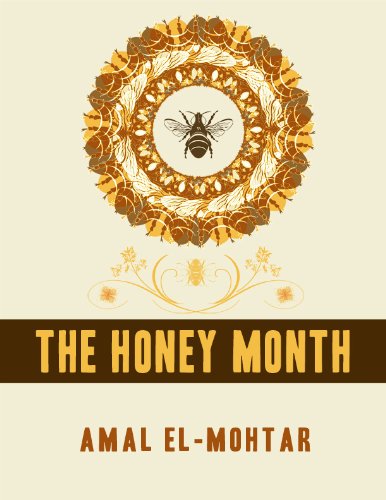
The Honey Month
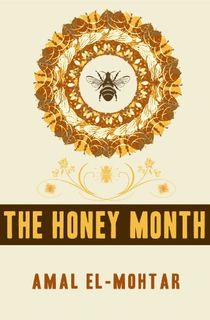
El-Mohtar’s first collection was born out of an interesting experiment. Her friend gifted her a set of 28 honey samples. For each honey sample, El-Mohtar wrote tasting notes. If you’ve ever seen reviews of perfume or tea, it’s similar to that. But this wouldn’t be a short fiction collection if it consisted only of tasting reviews, would it? She followed up each set of notes with a short story or poem.
This is the kind of collection for readers who love food, lush prose, or writing that evokes the senses. In keeping with the theme of the collection, maybe the best time to read it would be in February. Twenty-eight honey samples for twenty-eight days; something like an advent calendar with one honey sample, complete with tasting notes and short fiction/poem, read per day.