
First published in the 1960s, Peter S. Beagle’s The Last Unicorn tells the story of a unicorn who embarks on a quest to discover what happened to the rest of her kind. In the decades since, it’s become a beloved fantasy classic. One reason is that it follows a fairy tale aesthetic, with mythical creatures, magic, quests, transformation, and royalty. Our titular unicorn seeks out the rest of her kin, after all. Her travels lead her to cross paths with a sorcerer, who transforms her into a human woman. The son of her enemy—a king—falls in love with her and comes to her aid. It has all the classic staples!
Truthfully, it’s difficult to read fantasy without coming across a fairy tale retelling or two. If it’s not a retelling, it might be an original story that shows influences from that storytelling tradition—like The Last Unicorn. If you’re looking for more fairy tale-like novels that feature the same recognizable tropes and elements, here are a few to get you started.
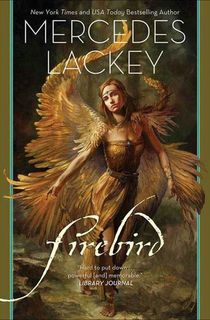
Firebird
Mercedes Lackey is probably best known for her Valdemar novels and their trademark white, telepathic horses. But in addition to those mainstays of 90s era fantasy, fairy tale retellings make up a significant chunk of her vast bibliography. In Firebird, she takes Slavic folklore and offers up a new version of the folktale. Ilya is the clever son of a Russian prince. However, his many older brothers envy that quick wit, thinking that it puts him in a better position to inherit the throne.
When cherries begin to go missing from the orchard, the prince charges his sons with finding the culprit. While his brothers strike out, Ilya discovers that the thief is the legendary firebird. Half-woman, half-bird, the creature grants him the ability to speak to animals, a gift that will come in handy in his adventures to come. If you enjoyed the sprawling quest structure of The Last Unicorn, this book is for you.
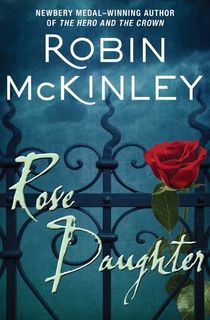
Rose Daughter

Robin McKinley’s debut novel was a Beauty and the Beast retelling and here, in Rose Daughter, we find her second. All the familiar elements of the original fairy tale are here. Beauty has two older sisters and a father who lost the family wealth to financial misfortune. Her father takes a rose from a beast man and in retaliation, the monster demands that he send his daughter to live with him. Here, though, Beauty has a gift for cultivating roses and she makes a striking choice at the end of the novel that, while not true to the original fairy tale, fits the novel McKinley told. If you enjoyed the storytelling style of The Last Unicorn, Rose Daughter falls into that same vein.
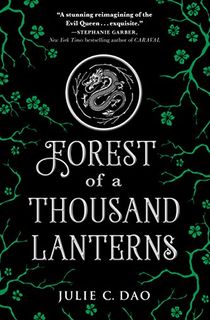
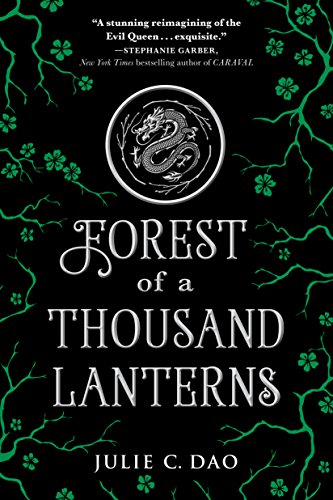
Forest of a Thousand Lanterns
While it’s probably not inaccurate to say that Beauty and the Beast has inspired numerous many fairy tale retellings—especially during this era of romantasy—Sleeping Beauty has also enjoyed its fair share of stories. Julie C. Dao puts an East Asian spin on the story, in addition to telling it from the perspective of the evil queen. Born to humble beginnings in a peasant village, Xifeng is a beautiful girl with a great destiny. In fact, her destiny is to become empress.
But there’s a price. She must embrace the cruel magic that runs through her veins—magic that requires she eat the hearts of the recently murdered. So now, Xifeng must make a choice. Should she pursue her dream of ascending the throne or is the love she shares with another young man enough? In many ways, Xifeng reminds me of the king from The Last Unicorn, particularly in the cruelty that drives their decisions--Xifeng in her pursuit to become empress and the king in what he did to the other unicorns.
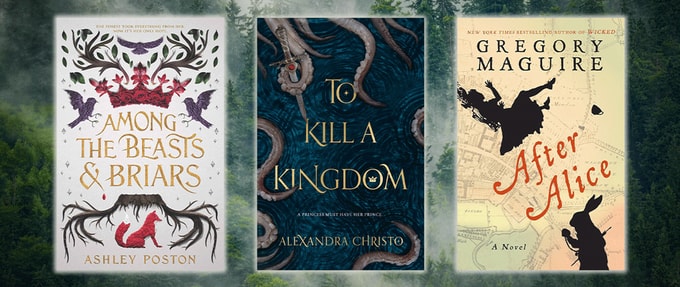
Among the Beasts & Briars
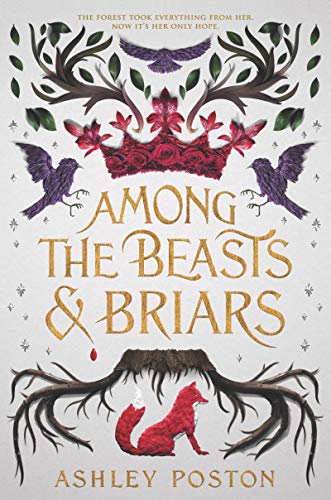
While fairy tale retellings number aplenty, their elements, tropes, and—shall we say—vibes have inspired countless writers. Because of this, readers end up with original stories that are like fairy tales themselves even though they have no one specific root. In Among the Beasts and Briars, Cerys lives in a kingdom that has enjoyed peace and prosperity for centuries, the result of a pact struck between the country’s first king and the witch that lives in the forbidden forest that stretches across the border.
But that comes to an end when a new queen takes the throne, and the dark things that love in the cursed woods descend upon the kingdom. And now it’s up to Cerys to find a way to save her homeland. Like The Last Unicorn, Poston's novel isn't based on a single fairy tale, but the roots are clear.
After Alice
Maguire is well-known for Wicked, his retelling of The Wizard of Oz. In After Alice, he tackles Alice’s Adventures in Wonderland. Ada is on her way to visit her friend, Alice. But she misses Alice by seconds and falls down the hole to Wonderland herself. There, Ada embarks on a quest to find her missing friend. But aboveground, people gather resources and begin to search for the two missing girls, too. If you'd like to read another novel about searches for the missing, give this one a try.
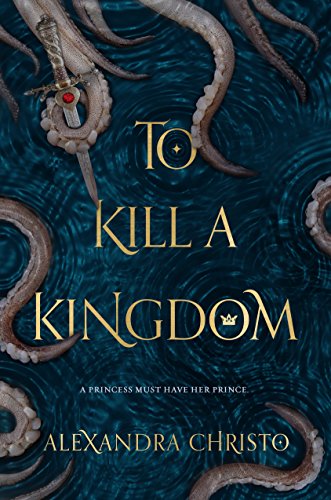
To Kill a Kingdom
In this retelling of The Little Mermaid as you’ve never seen before, Princess Lira is the daughter of the Sea Queen. More to the point, she's a siren known as the Princes’ Bane, for she has killed and taken the hearts of many princes. But when she goes against one of her mother’s edicts, she's turned into the very thing she hates most: a human. Trapped with two legs and no tail, Lira is given an ultimatum. She must kill and take the heart of Prince Elian—who’s made it his life’s purpose to destroy all sirens—or be trapped in human form forever. Luck is on her side, though, because she's rescued from drowning by Prince Elian himself. But just as she doesn’t trust him, he doesn’t trust her either. As with the main character in The Last Unicorn, transformation both hides Lira from discovery and exposes her to other aspects of life.
Featured image: Paul Scheelen / Canva.


