

If you’re a seasoned reader of speculative fiction, one might assume that you have a love for adventure, new frontiers and the supernatural, often accompanied by a sense of thrill and wonder. While reading science fiction and fantasy novels might scratch that itch, there’s also other stuff for one to dive into, such as non-fiction works that explore a beloved sci-fi fandom in great detail or offer a thorough investigation of the paranormal, literary fiction set in post-apocalyptic dystopias or written in the magic realist tradition, Gothic books that sends chills down your spine without the presence of any ghost or even historical novels that bring the past to life.
So, if you’re a fan of science fiction and fantasy, don’t let genre constrain you because there’s plenty of non-speculative works that will transport you to another place and time if you’re just ready to turn the page!
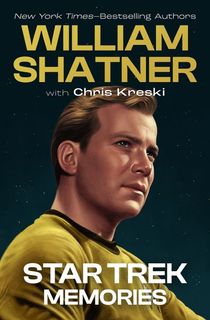
Star Trek Memories
No doubt, Star Trek is one of the most popular sci-fi franchises, and Star Trek Memories by William Shatner and Chris Kreski offers an enticing behind-the-scenes look at this enduring fandom. Best known for his charismatic portrayal of Captain James T. Kirk, Shatner recounts his experiences filming the show, backstage drama as well as commentary on the global pop cultural phenomenon that the show has become. Packed with photographs and illustrations, this engaging memoir is a must-have for Star Trek fans.
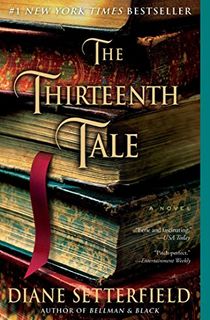
The Thirteenth Tale: A Novel
A masterfully crafted Gothic suspense novel, The Thirteenth Tale by Dianne Setterfield is absolutely unputdownable. At least, when I started reading it, I couldn’t stop until I finished it. There’s an unforgettable mystery at the heart of the narrative with atmospheric prose that keeps hinting at the supernatural, but of course, the truth is far stranger than fiction. From buried secrets to tangled family ties, The Thirteenth Tale by Dianne Setterfield is one of the best Gothic novels to have been published in recent times, guaranteeing a deeply immersive experience for the reader.

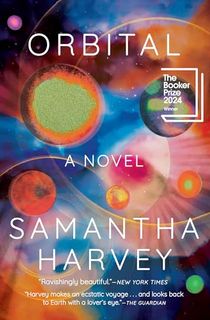
Orbital
The winner of the Booker Prize, Orbital by Samantha Harvey is often regarded as “science fiction,” though it isn’t a typical genre read and doesn’t contain any futuristic elements. Nevertheless, it’s distinctively speculative—in the sense that it “speculates” about the lives of six astronauts aboard an orbiting space station, tracking their mundane routines over the course of 24 hours. It’s an absolutely spellbinding and immersive experience, as the reader witnesses the vast beauty of our planet and the universe from outer space through the vividly poignant and philosophical prose. A deceptively short read that’s grounded in fact and research, Orbital deftly captures the sense of awe and wonder that characterizes so many SF works set aboard a spaceship.
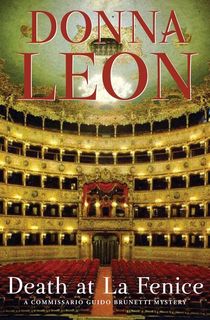
Death at La Fenice
The city of Venice has inspired plenty of artists and authors, with many works set in a fantastical version of the city on water. Donna Leon’s Death at La Fenice is set firmly in the real Venice, and yet captures the historical city’s magical charms in an engaging mystery thriller. It follows Commissario Brunetti as he investigates the death of a conductor and slowly uncovers a devious and decadent world underneath the city’s glimmering facade. Whether you’re fancying a trip to this Italian city or looking for a moody and exciting mystery, reading Death at La Fenice will ensure a thrilling and otherworldly time.
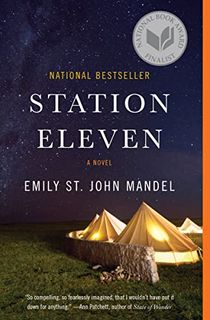
Station Eleven
Another literary fiction novel that eschews the trappings of genre, Station Eleven by Emily St. John Mandel is nevertheless concerned with some of science fiction’s key themes, namely how humanity evolves to survive following a cataclysm of some sort. The story follows the survivors of an influenza-like pandemic, as they navigate a post-apocalyptic wasteland carrying fragments of art and civilization with them—be it the pages of a comic book that tell an incomplete story or a group of nomadic actors performing Shakespeare plays to pass the time and delight audiences.
Quiet, introspective and philosophical, Station Eleven is a beautifully written book that explores man’s quest for meaning and the human civilization’s capacity for survival.

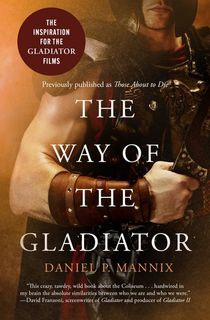
The Way of the Gladiator

Plenty of fantasy books utilize historical settings to tell interesting tales about our past, filling in the gaps of history with storytelling. In turn, these books provide inspiration for film-makers for their epic historical movies. Daniel P. Mannix’s The Way of the Gladiator is one such example, serving as inspiration for the blockbuster films, Gladiator and Gladiator II.
The book vividly captures the chaos, excitement and the lurid spectacle aspect of the gladiatorial games held in Ancient Rome, transporting the reader directly to that era. Filled with sensory prose and historical facts, The Way of the Gladiator is an utterly compelling read.

The Wind-Up Bird Chronicle
While most of us may not always believe in magic, we’ve all had strange experiences that we can’t just explain away, and magic realist novels taps into that liminal space, imagining a world where the mundane and the otherworldly collide, in small ways.
The Wind-Up Bird Chronicle at first seems to focus on an ordinary man’s search for his wife and the wife’s missing cat—a journey that is filled with strange encounters with bizarre people, blurring the line between what’s real and what isn’t. And while SFF novels are pretty clear on what’s magic and what’s not, The Wind-Up Bird Chronicle embraces that uncertainty and absolutely revels in it.


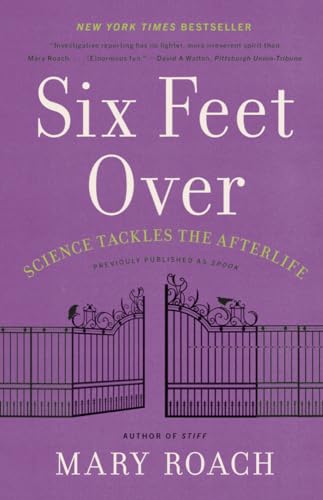
Six Feet Over: Science Tackles the Afterlife
We’ve all been wondering what happens after we die and if ghost exists and Mary Roach’s non-fiction book tackles some of these big mysteries from a scientific and skeptical perspective. Wryly funny, sharply questioning and instilled with a powerful sense of curiosity, Six Feet Over is a careful and memorable exploration of life’s big questions, and is worth a read regardless of whether or not you love ghost stories.
Featured image: Aaron Burden / Unsplash


