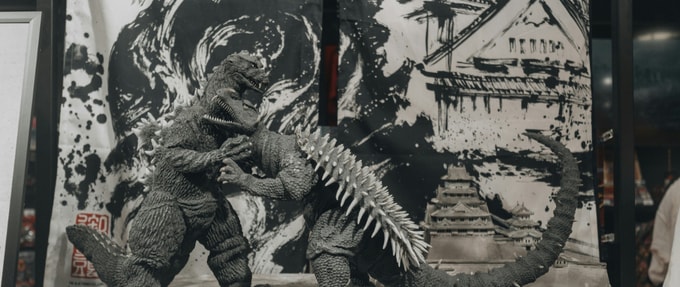

When we think of kaiju, we tend to think movies. Specifically, we think of Godzilla and friends (or foes) tromping across miniature versions of Tokyo. And while the Big G had precursors and precedents, it’s fair to say that the kaiju film truly began with the release of the original Godzilla in 1954.
In the decades since Godzilla first reduced Tokyo to a sea of flames, there have been countless kaiju movies. Godzilla alone has starred in nearly 40 films over the years, with more on the way. The popularity of these giant, strange beasts has also led to a proliferation into other media. Godzilla and others have made their way into video games, cartoons, TV shows, board games, comic books, roleplaying games, and much more. So, it comes as no surprise that they’ve also stomped their way into the world of books.
Kaiju is a Japanese word that, translated literally, means something like “strange beast.” It doesn’t technically imply giant size (that would more accurately be “daikaiju”) but ever since the term was applied to Godzilla, it has begun an inevitable etymological shift that has led the word “kaiju” to be inextricably linked with the idea of giant, rampaging monsters, both in Japan and in the West.
Here are seven kaiju books that will fulfill all your desires for city crushing, giant monster action, without the need for speakers and a screen…

Godzilla and Godzilla Raids Again
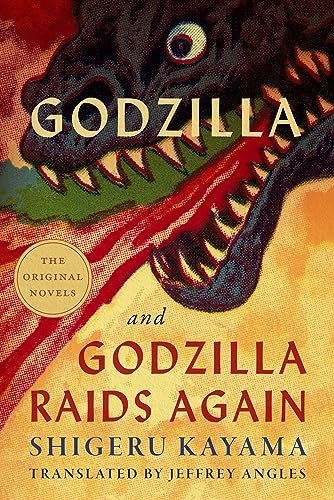
When producer Tomoyuki Tanaka originally conceived of the idea for Godzilla, he approached sci-fi and horror writer Shigeru Kayama to pen a full treatment. The result was the original outline that would become Godzilla and, later, its first sequel, Godzilla Raids Again in 1955. Also in 1955, Kayama published these two novel versions of the story, which have recently been translated and released in English for the first time ever. The result? “[A] revelation for Godzilla fans, a rich resource for students of Japan, and a rewarding read for anyone who enjoys classic tales of science fiction and adventure” (William M. Tsutsui, author of Godzilla on My Mind).
Pacific Rim Uprising
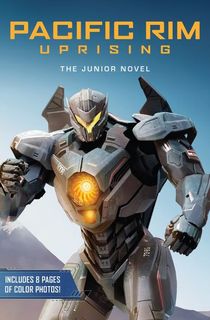
In 2013, Guillermo del Toro released a modern classic of kaiju cinema in the form of Pacific Rim. Five years later, Steven S. DeKnight co-wrote and directed its first (and, so far, only) sequel: Pacific Rim Uprising, starring John Boyega. The release of Pacific Rim Uprising was accompanied by an array of media tie-ins, including this junior novelization by Becky Matheson, which features 8 pages of color photos from the film.
While Pacific Rim Uprising may not have been as well-received cinematically as its predecessor, the junior novelization offers plenty of kaiju action for monster and mecha fans of all ages.

The Kaiju Preservation Society
Popular and award-winning writer John Scalzi “continues to be almost insufferably good at his brand of good but thinky sci-fi adventure” (Kirkus Reviews) in this “wildly inventive take on the kaiju theme” (Booklist). Winner of the Locus Award for Best Science Fiction Novel, Kaiju Preservation Society kicks off in New York in the midst of COVID, and takes readers (and hapless protagonist Jamie Gray) to an alternate dimension—one where dinosaur-like kaiju are endangered and in need of the help of human preservationists. Except the Kaiju Preservation Society aren’t the only ones who know about this other universe…

Kaiju Gaga
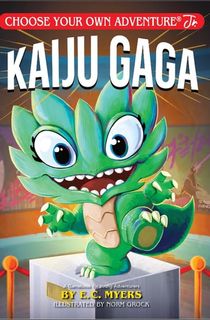
Nebula Award-winning author E. C. Myers brings his bestselling style to young readers in this “adventure-minded chapter book” that is part of the Choose Your Own Adventure Jr. line, perfect for readers from 5 to 8 years old. When a young boy finds a kaiju egg on a class trip, he embarks on a “light, breezy” adventure, accompanied by “colorful, action-packed, and often amusing” illustrations (Foreword) by Norm Grock.
Like the Choose Your Own Adventure books you may already be used to, the Jr. line offers younger readers opportunities to pick their path and make decisions that determine how the story will play out… which, when you’re dealing with kaiju, can have big consequences.
The Luminous Fairies and Mothra
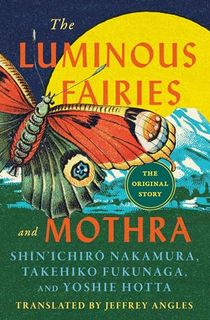
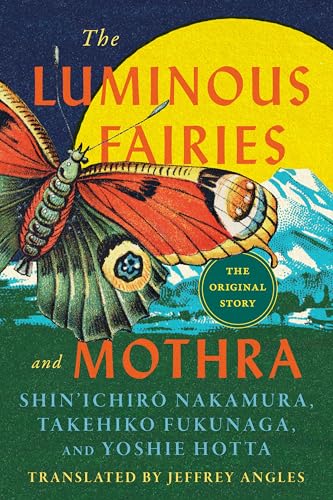
Toho commissioned a trio of the most celebrated postwar literary writers of the time to pen a story for an upcoming film. The result was The Luminous Fairies and Mothra, which formed the basis for the first Mothra movie, released in July of 1961. Mothra quickly become one of Toho’s most popular characters, recurring in more than a dozen flicks, often fighting alongside (and occasionally against) Godzilla.
It all started here, though, in a work of protest fiction that places the conception of Mothra squarely in its historical context, available in English for the first time. “Creature feature buffs will be thrilled” (Publishers Weekly).
Go-Man: Champion of Earth (GO-MAN!)
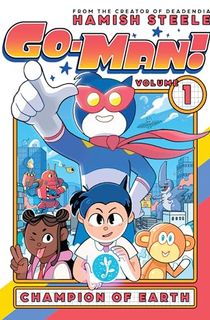
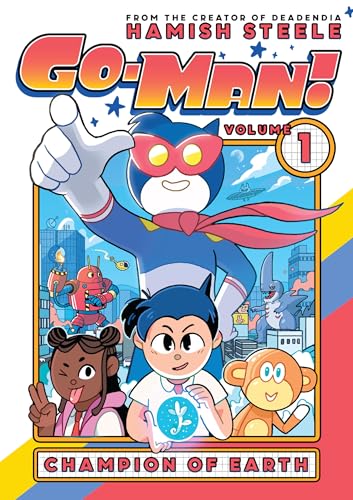
Okay, yeah, this mid-grade graphic novel series is technically another in a long line of kaiju comic books, not prose works like the other volumes on this list, but it’s worth mentioning, because it not only “blends likable characters and kaiju action with an expressive cartoon style and a cinematic approach to fight scenes” (Booklist), but also takes the story to unexpected places with its metaphor for masking and its themes about autism, drawn from the author/illustrator’s own childhood.

The Kaiju Survival Guide
In 2003, Max Brooks published the bestselling Zombie Survival Guide, a fictional handbook for dealing with the walking dead and surviving the zombie apocalypse, which he followed up with the fictional oral history book World War Z in 2006. In 2018, Wes Parker took a similar approach to a much (literally) bigger problem with The Kaiju Survival Guide, which gives readers insight into surviving a (fictional) kaiju attack, alongside first-person accounts of encounters with these strange beasts—accounts that will often feel familiar to fans of classic kaiju cinema.


