

Science fiction, as a genre, has always been concerned with advances in science and technology, and its ramifications on the human civilization. From space exploration and alien encounters to dystopian settlements and robotics, SF has always looked to the future, as prophecy, or cautionary tale or social commentary on our present-day regimes. It’s a genre that not only imagines what could be possible, but also what shouldn’t come to pass but is likely.
One of the earliest works with SF elements include the satirical A True Story by Lucian of Samosata where travelers journey to the moon and even engage in interplanetary warfare, highlighting how man’s preoccupation with exploring the wonders of the universe can be traced back to ancient times. Following the Industrial Revolution and the development of the novel as a literary form, more and more writers began to pen stories set in the far future or discovering new frontiers on Earth and elsewhere. In the early 20th century, the rise of pulp fiction and short story magazines dedicated to genre fiction led to further experimentation, a trend that continues to this day, even as the field of SF diversifies into wide-reaching sub-genres, from cyberpunk to cli-fi.
Whether you’re new to the genre or looking for a comprehensive list that charts how the genre has evolved from the 19th century to the present day, our list of essential SF reads, ranked from shortest to the longest has you covered—introducing you to the sheer range of possibilities that this genre offers!
118 pages
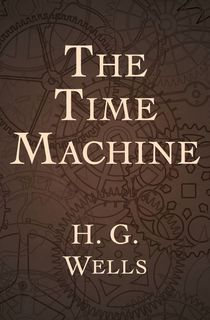
The Time Machine
Brian Aldiss called H.G. Wells the Shakespeare of science fiction, and it's not hard to see why. The author's novels all deal with futuristic topics, with The Time Machine being a prime example. It laid the foundation for future time-travel narratives, imagining how the human species may evolve in the far future while commenting on classism and inequality in Victorian society.
243 pages
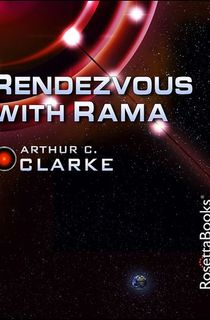
Rendezvous with Rama
A deeply contemplative novel, Rendezvous With Rama explores the limits of human comprehension in the face of the unknowable in its compelling narrative of a group of human explorers who intercept an alien starship and are utterly mystified by what they find inside. Chilling and imaginative, Rendezvous With Rama is a mesmerizing read.
244 pages

Foundation
Going back to the SF short stories first published in genre magazines, Foundation collects five interrelated short stories in a single volume, and explores the struggle to save humanity from its own impeding collapse. Combining insights from different disciplines, ranging from mathematics to sociology, Asimov skillfully imagines the rise and fall of a far-future Galactic empire.

260 pages
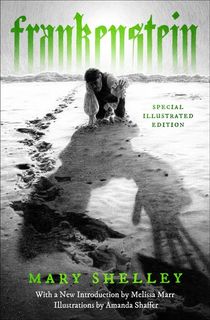
Frankenstein
An epistolary novel that blends elements of Gothic horror and SF, Frankenstein highlights the feminist roots of the genre as well as the ethics (or lack thereof) in scientific experimentation. It explores the tragic story of a genius scientist who finds a way to create life out of nothing, yet abandons his creation, unleashing a bloody trail of vengeance in his wake.
268 pages

Neuromancer
A book that sort of gave birth to the cyberpunk genre, Neuromancer is an eerily prescient work that anticipates the launch of the internet (World Wide Web) and the tech-fueled capitalist dystopia that we currently inhabit. The action-packed narrative follows Case, a low-life hacker, part of a motley crew that tries to pull off a near-impossible high-stakes heist.

281 pages

Stories of Your Life and Others
One of the best SF writers working today, Ted Chiang prefers the shorter forms, such as the novella or the short story, for his ingenious thought experiments. Each of the eight stories in this volume is a gem. The title narrative, “Story of Your Life," dives deep into how languages evolve and develop, and was adapted into the acclaimed film, Arrival (2016). Meanwhile “Liking What You See: A Documentary” is a thorough exploration of beauty, pretty privilege and how external looks influence human behavior.

288 pages
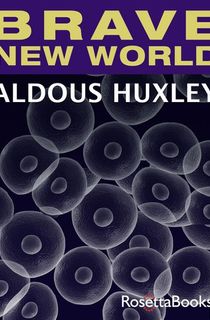

Brave New World

Huxley’s Brave New World set the groundwork for dystopian fiction. Initially conceived of as a parody of the utopian novels of the last century, Brave New World explores life in a futuristic World State where massive strides in technology and psychology have only led to a rigidly controlled and hierarchical society, and is told from the perspective of a non-conformist, Bernard Marx. It’s best enjoyed when read alongside George Orwell's Nineteen Eighty-Four (1949).

324 pages

Ender's Game
An influential military science fiction novel, Ender’s Game is set in a world where humanity is at war with an insectoid species called the “buggers” and young children are recruited by Earth’s military force to engage in difficult war games and improve their tactical and leadership skills. Thoughtful, poignant and engaging, Ender’s Game makes for a highly compelling read.

658 pages

Dune
Frank Herbert’s Dune (and its many sequels) emphasizes the power of SF to vividly imagine alternate worlds, filled with scheming characters, intergenerational conflicts, environmental adaptions and socio-economic evolution that reflects the various power-politics within human cultures through history. If Tolkien’s The Lord of the Rings highlighted the mythmaking power of high fantasy, Herbert’s Dune similarly emphasizes just how grand and ambitious epic science fiction can be.

815 pages

The Ultimate Hitchhiker's Guide to the Galaxy
Finally, if you’re one of those people who think SF is a very “serious” genre, let the Douglas Adams’ books immediately dissuade you of that notion. Packed with hilarity, wry wit and thoughtful commentary, The Ultimate Hitchhikers Guide to the Galaxy is a collection of five short novels (in a single, accessible volume) that promise an entertaining and engaging romp through space and time.

Featured image: Ze Paulo Galveias / Unsplash


